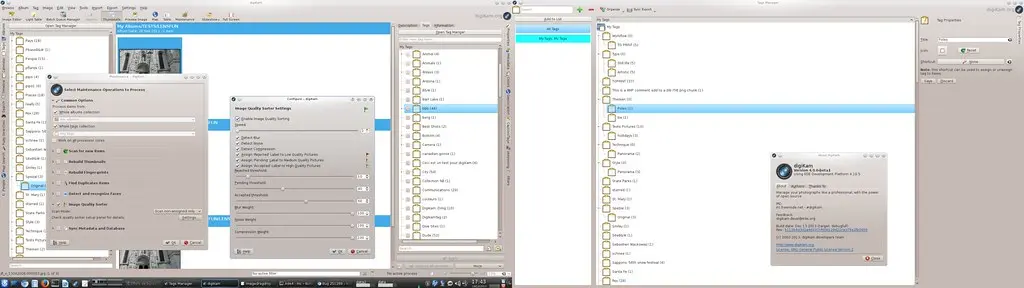
digiKam team is proud to announce the third beta release of digiKam Software Collection 4.0.0.
This version currently under development, include many new feature as:
A new tool dedicated to organize whole tag hierarchies. This new feature is relevant of GoSC-2013 project from Veaceslav Munteanu. This project include also a back of Nepomuk support in digiKam broken since a while due to important KDE API changes. Veaceslav has also implemented multiple selection and multiple drag-n-drop capabilities on Tags Manager and Tags View from sidebars, and the support for writing face rectangles metadata in Windows Live Photo format.
A new maintenance tool dedicated to parse image quality and auto-tags items automatically using Pick Labels. This tool is relevant to another GoSC-2013 project from Gowtham Ashok. This tool require feedback and hack to be finalized for this release.
Showfoto thumbbar is now ported to Qt model/view in order to switch later full digiKam code to Qt5. This project is relevant to another GoSC-2013 project from Mohamed Anwer.
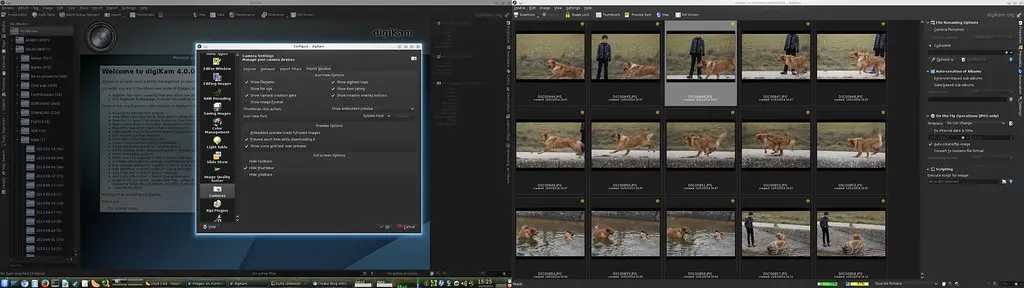
digiKam team is proud to announce the second beta release of digiKam Software Collection 4.0.0.
This version currently under development, include many new feature as:
A new tool dedicated to organize whole tag hierarchies. This new feature is relevant of GoSC-2013 project from Veaceslav Munteanu. This project include also a back of Nepomuk support in digiKam broken since a while due to important KDE API changes. Veaceslav has also implemented multiple selection and multiple drag-n-drop capabilities on Tags Manager and Tags View from sidebars, and the support for writing face rectangles metadata in Windows Live Photo format.
A new maintenance tool dedicated to parse image quality and auto-tags items automatically using Pick Labels. This tool is relevant to another GoSC-2013 project from Gowtham Ashok. This tool require feedback and hack to be finalized for this release.
Showfoto thumbbar is now ported to Qt model/view in order to switch later full digiKam code to Qt5. This project is relevant to another GoSC-2013 project from Mohamed Anwer.
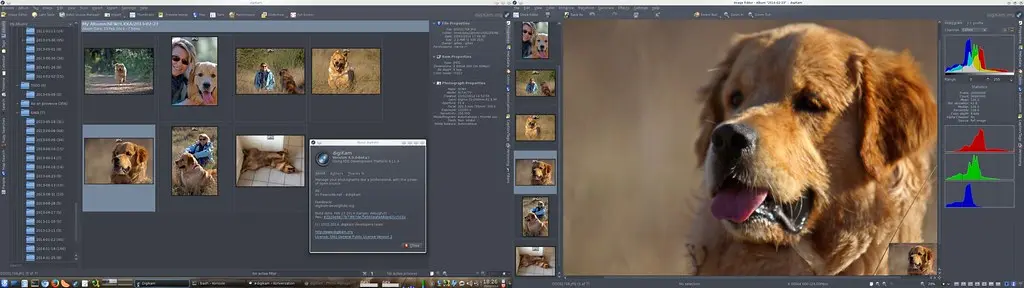
digiKam team is proud to announce the first beta release of digiKam Software Collection 4.0.0.
This version currently under development, including a new tool dedicated to organize whole tags hierarchy. This new feature is relevant of GoSC-2013 project from Veaceslav Munteanu. This project include also a back of Nepomuk support in digiKam broken since a while due to important KDE API changes. Veaceslav has also implemented multiple selection and multiple drag-n-drop capabilities on Tags Manager and Tags View from sidebars, and the support for writing face rectangles in Windows Live Photo format.
There are plenty of reasons to choose Debian, but having the most recent versions of your favorite applications is not one of them. Software updates trickle down to the stable version of Debian very slowly, which means that packages in the distro's repositories are likely to be a few versions behind the current releases. digiKam is no exception: the Debian stable repositories contain a version of digiKam which can be considered outdated. However, if you don't mind the risk of making the Debian system unstable, or even breaking it altogether, you can opt to upgrade the distro to unstable and then install the latest version of digiKam from the experimental repositories.Continue to read
digiKam team is proud to announce the release of digiKam Software Collection 3.5.0.
This version is a bug-fix release, as we are currently busy to complete all GSoC 2013 projects for next major release 4.0.0. Look in Release plan for details...
I am pleased to announce the release of digiKam 3.3.0 and 3.4.0 for Windows built against KDE 4.10.2 that can be downloaded from the KDE repository. The build platform is the same as for 3.1.0 and 3.0.0. If you encounter any problems please file a very detailed bug report.
Bug fixes include those completed for the digiKam 3.3.0 and 3.4.0 source releases.
Known Windows problems:
1. After rotating an image using the rotate icons in the thumbnail view, the user may have to press F5 to see the change 2. Bugs listed on KDE Bugzilla
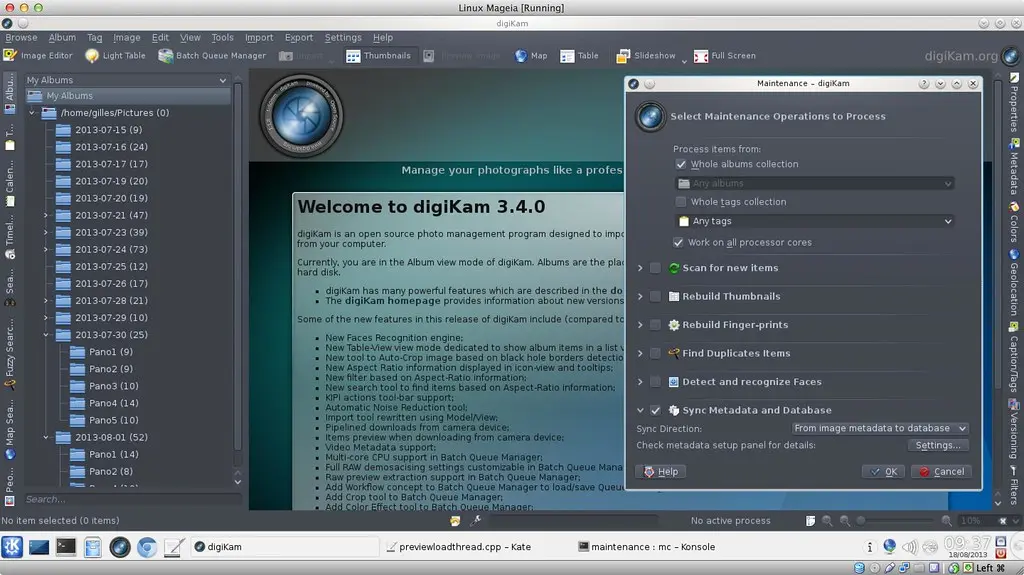
digiKam team is proud to announce the release of digiKam Software Collection 3.4.0.
This version include a new core implementation to manage maintenance tools, especially to support better multi-threading and multi-core CPU to speed-up processing.
If you happen to use digiKam for managing photos scanned from negatives, you'll appreciate the application's capabilities to add and edit EXIF metadata. Using digiKam's dedicated interface for managing metadata, you can add key EXIF values, such as maker, device model, aperture, shutter speed, ISO, focal length, etc., to the scanned photos (provided you have these data handy).
However, digiKam doesn't allow you to apply the same EXIF data to multiple photos in a single operation.
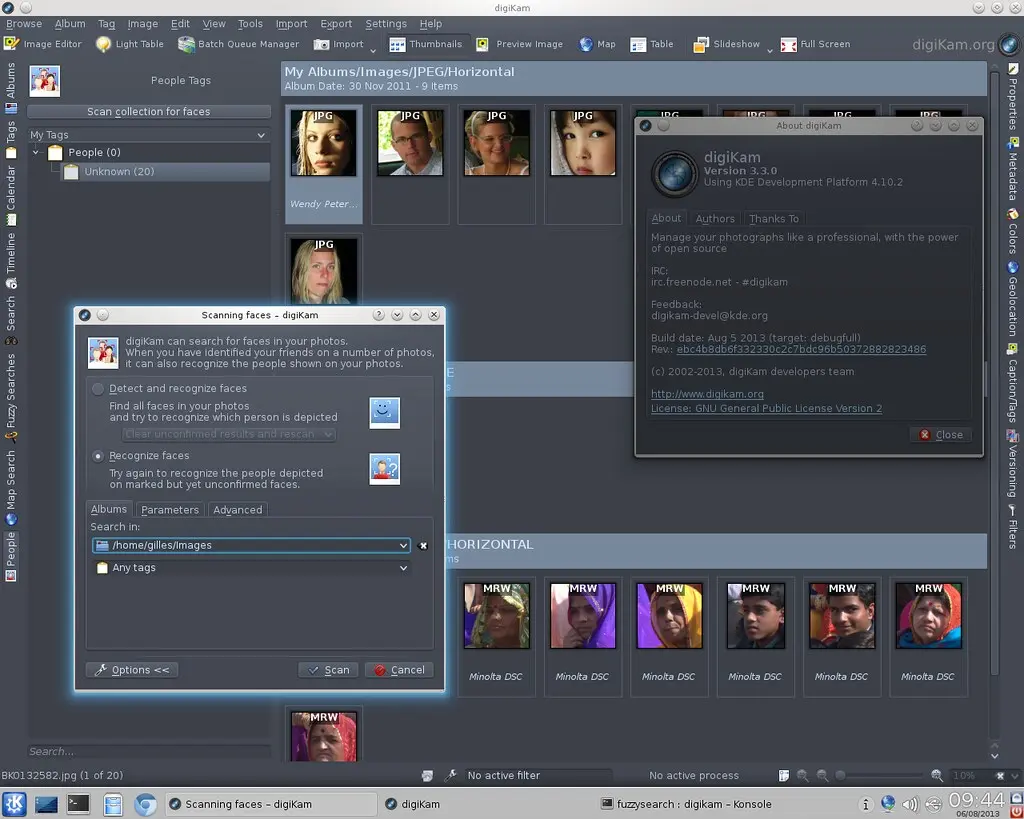
digiKam team is proud to announce the release of digiKam Software Collection 3.3.0.
This version include a new core implementation to manage faces, especially face recognition feature which have never been completed with previous release. Face detection feature still always here and work as expected.
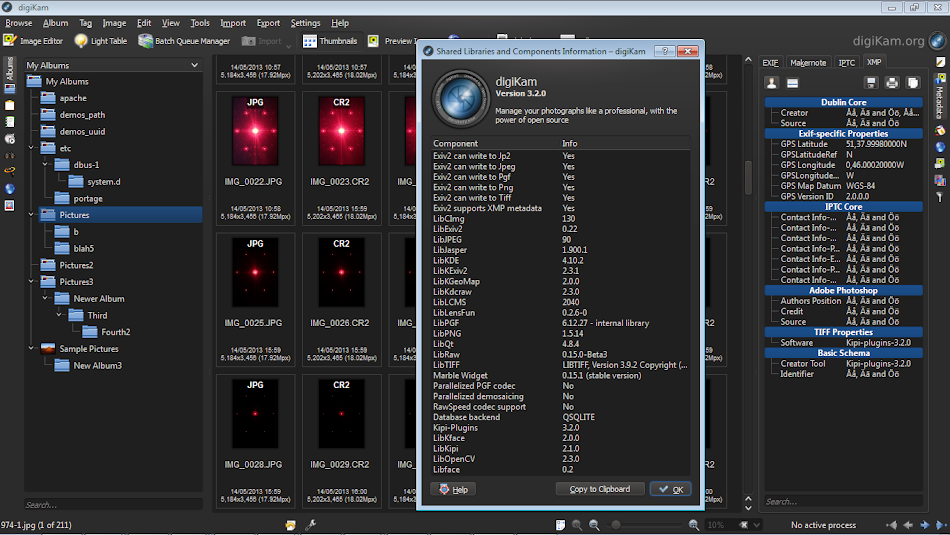
I am pleased to announce the release of digiKam 3.2.0 for Windows built against KDE 4.10.2 that can be downloaded from the KDE repository. The build platform is the same as for 3.1.0 and 3.0.0. If you encounter any problems please file a very detailed bug report.
Bug fixes include those completed for the digiKam 3.2.0 source release as well as:
1. Nothing happening when trying to edit geolocation bookmarks 2. Crash/hang when using in-painting and restoration tools due to thread leak